

Contact lenses are designed to offer freedom and clear vision; however, dryness and discomfort can interrupt that experience, especially as the day progresses. Rewetting drops are a simple yet effective way to restore moisture, improve comfort, and maintain clear vision without removing your lenses.
Understanding when to use them and how to choose the right option helps ensure your eyes stay comfortable throughout the day.
What Are Contact Rewetting Drops and Why They Matter
Contact rewetting drops are eye drops specifically formulated to be used while wearing contact lenses. Their main purpose is to rehydrate the lens surface, reduce friction, and stabilize the tear film; as a result, lenses feel smoother and vision remains clearer for longer periods.
Using products designed for contact lenses is essential, as not all eye drops are compatible with lens materials. Choosing the right formula supports both comfort and overall eye health.
When Do You Need Rewetting Drops?
Dryness, Irritation, or Blurry Vision During the Day
A common sign that rewetting drops may help is the gradual onset of dryness or a gritty sensation; in these cases, vision may fluctuate or feel slightly blurry, particularly in the afternoon; this usually happens when lenses begin to lose moisture.
Rewetting drops can quickly restore hydration, helping lenses feel comfortable again without the need for removal.
Screen Time, Air Conditioning, and Long Wear Hours
Environmental factors play a major role in contact lens discomfort, as extended screen use reduces blink rate, while air conditioning and heating dry out the surrounding air; together, these conditions accelerate lens dehydration.
If your routine includes long hours in front of screens or indoor environments, rewetting drops can be a useful tool to maintain comfort and prevent end-of-day eye fatigue.
Best Contact Rewetting Drops: What to Look For
Hydrating Ingredients and Lens-Safe Formulas
The best contact rewetting drops are formulated to attract and retain moisture without leaving residue on the lens. Ingredients designed to support tear stability help reduce dryness while maintaining clear, consistent vision.
Always choose drops labeled as safe for contact lenses to avoid irritation or reduced lens performance.
Preservative-Free Options for Sensitive Eyes
For individuals with sensitive eyes or those who use drops frequently, preservative-free formulas are often the best choice. These options minimize the risk of irritation while still providing effective hydration; they are particularly beneficial for daily lens wearers or those prone to dryness.
How to Use Rewetting Drops Safely and Effectively
Rewetting drops can be used as needed throughout the day; typically, one or two drops per eye are enough to relieve dryness. Overuse is rarely necessary and may indicate that something else is contributing to discomfort.
A common mistake is using regular eye drops not intended for contact lenses; this can require lens removal or lead to irritation. Always check the label to ensure compatibility and safe use.
When Rewetting Drops Aren’t Enough
Signs You May Need an Eye Exam or a Different Solution
If dryness, redness, or discomfort persists despite regular use of rewetting drops, the issue may not be limited to lens dehydration. Improper lens fit, changes in tear production, or underlying dry eye conditions can all contribute to ongoing symptoms.
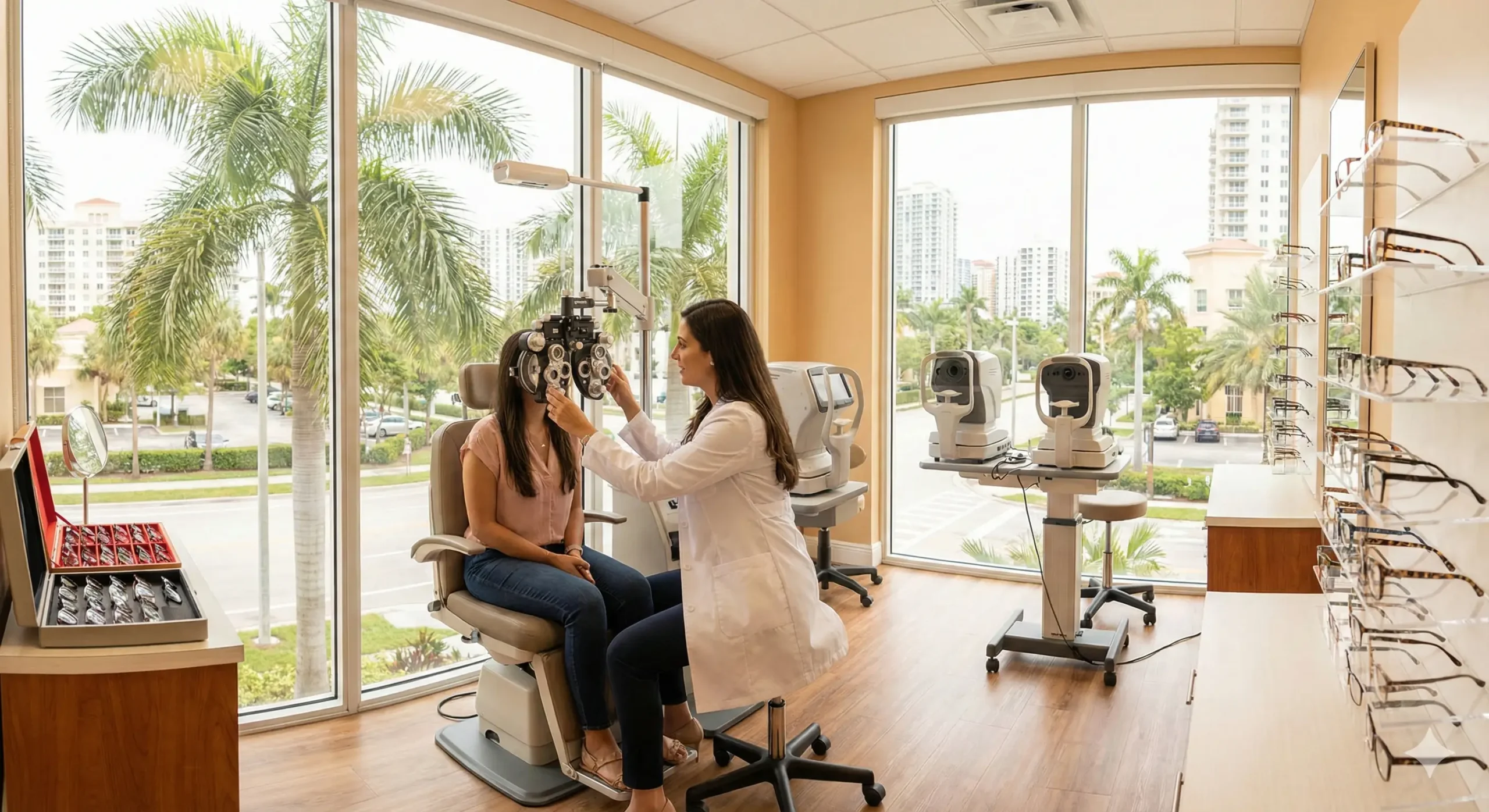
In these cases, scheduling an eye exam helps identify the cause and ensures you receive the right solution for long-term comfort rather than temporary relief.
Get Personalized Recommendations for Your Eyes
Choosing the best contact rewetting drops depends on your eyes, your lenses, and your daily habits. Pairing the right drops with proper contact lens care and regular eye exams supports healthier eyes and a more comfortable wearing experience; small adjustments often make a noticeable difference in daily comfort.