
How to Read Eyeglass Prescription (Step-by-Step Guide)
Buying new glasses can feel overwhelming when you see your prescription full of numbers and abbreviations. If you’ve ever wondered how to read eyeglass prescription, this guide is for you. We’ll explain step by step what each number means, and highlight the importance of additional measurements like pupillary distance (PD) and lens height—details that usually don’t appear on your prescription but are crucial for a perfect fit.
- Why It’s Important to Read Your Eyeglass Prescription
Learning how to read my eyeglass prescription helps you understand your vision correction needs and ensures your prescription is complete before ordering glasses. It also empowers you to make informed decisions, especially when comparing online orders versus visiting a professional optical store.
- Common Abbreviations on Your Eyeglass Prescription
When people search eyeglass prescription how to read, the first challenge is decoding the abbreviations. Here are the most common:
- OD / OS: Right eye (OD) and left eye (OS).
- SPH (Sphere): Indicates nearsightedness (negative numbers) or farsightedness (positive numbers).
- CYL (Cylinder): Refers to astigmatism correction.
- AXIS: Orientation of the astigmatism correction.
- ADD: Additional magnifying power, often used for bifocals or progressive lenses.
This is the foundation of eyeglass prescription explained.
- What Do Numbers on Eyeglass Prescription Mean?
You may wonder: what do numbers on eyeglass prescription mean?
- Negative SPH: Nearsightedness (difficulty seeing far).
- Positive SPH: Farsightedness (difficulty seeing near).
- Higher values: Stronger prescription.
This directly answers the common question: what do eyeglass prescription numbers mean?
- How to Understand Eye Prescription in Simple Terms
Searching how to understand eye prescription? Think of it as a “blueprint” for your glasses. Each number tells your optician exactly how to customize the lenses so your vision is clear and comfortable—without headaches or eye strain.
- What Is PD on a Glasses Prescription?
Your pupillary distance (PD) measures the space between your pupils. It’s essential for aligning lenses correctly with your eyes. Many people search what is PD on a glasses prescription and are surprised to learn it’s usually not included in the prescription from your eye doctor.
- Pupillary Distance Not on Prescription: Why It’s Missing
One of the most common issues is pupillary distance not on prescription. Don’t worry—this doesn’t mean your prescription is incomplete. PD is not a medical measurement; it depends on the frame you choose and should be measured by an optician to ensure accuracy.
- Why Buying Glasses In-Store Matters
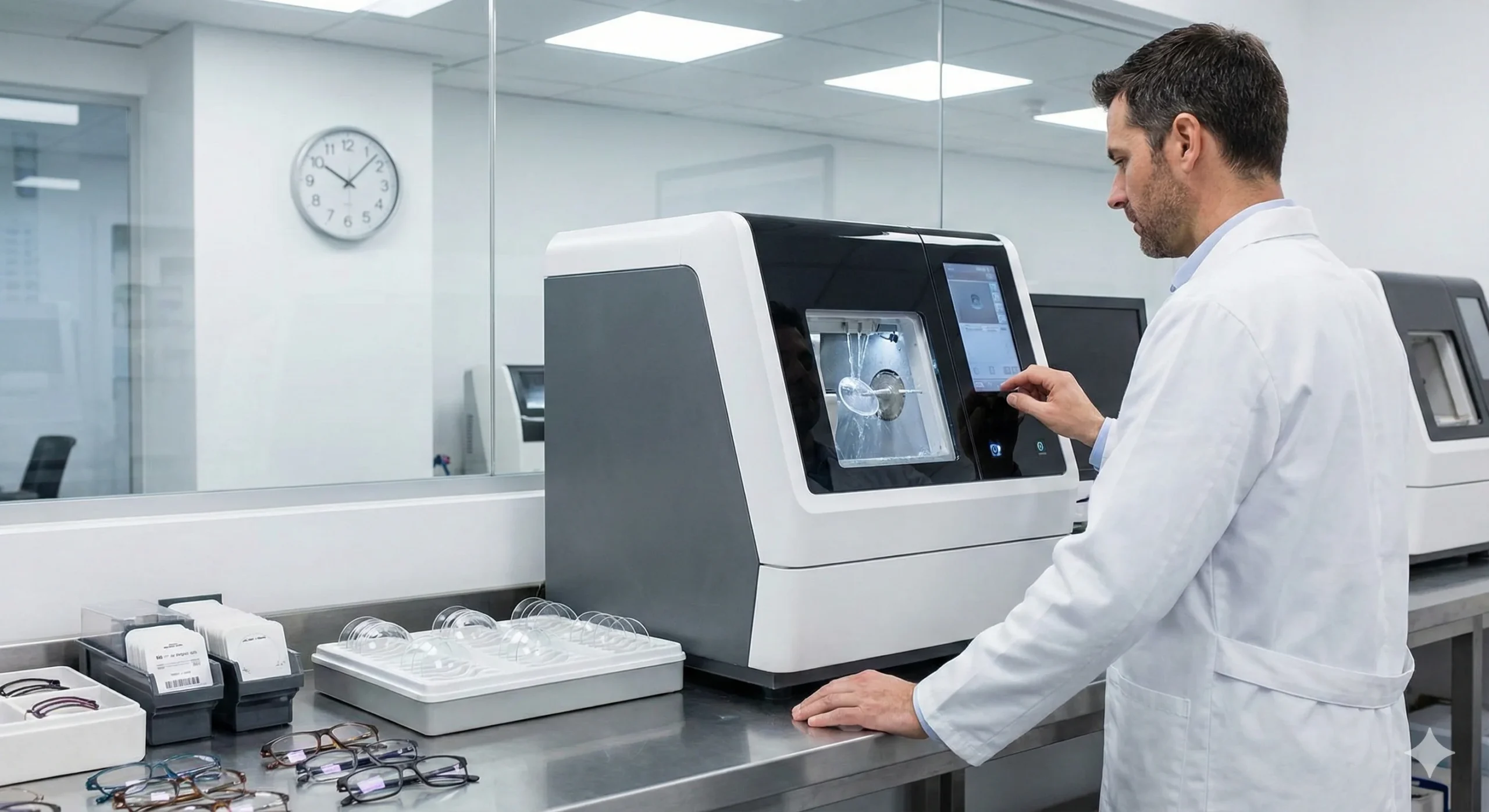
Ordering glasses online can be convenient, but without your exact PD and lens height, your vision may not be as sharp or comfortable. At an optical store, professionals take precise measurements—including PD and height—to customize your lenses to your chosen frame. This ensures both clarity and long-term comfort.
- Final Thoughts: Reading Your Prescription the Right Way
Understanding how to read eyeglass prescription gives you confidence in knowing what your numbers mean. Still, remember that your prescription alone doesn’t provide every detail needed for perfect glasses. Critical measurements like PD and height are only taken in-store.
Once you’ve mastered eyeglass prescription explained, the best next step is to visit a professional optical center. That way, you’ll get lenses crafted with the precision your eyes deserve.