
Searching for Miami optometrists often returns dozens of options, all promising quality care; however, not all providers offer the same level of clinical expertise or services. In a city with high demand, medical tourism, and fast-paced lifestyles, understanding what truly matters when choosing an optometrist is essential for protecting long-term eye health.
This guide explains which credentials are important, what services make a real difference, and how to evaluate optometrists in Miami beyond convenience or proximity; the goal is to help you make an informed decision based on care quality, not assumptions.
What Does an Optometrist Actually Do?
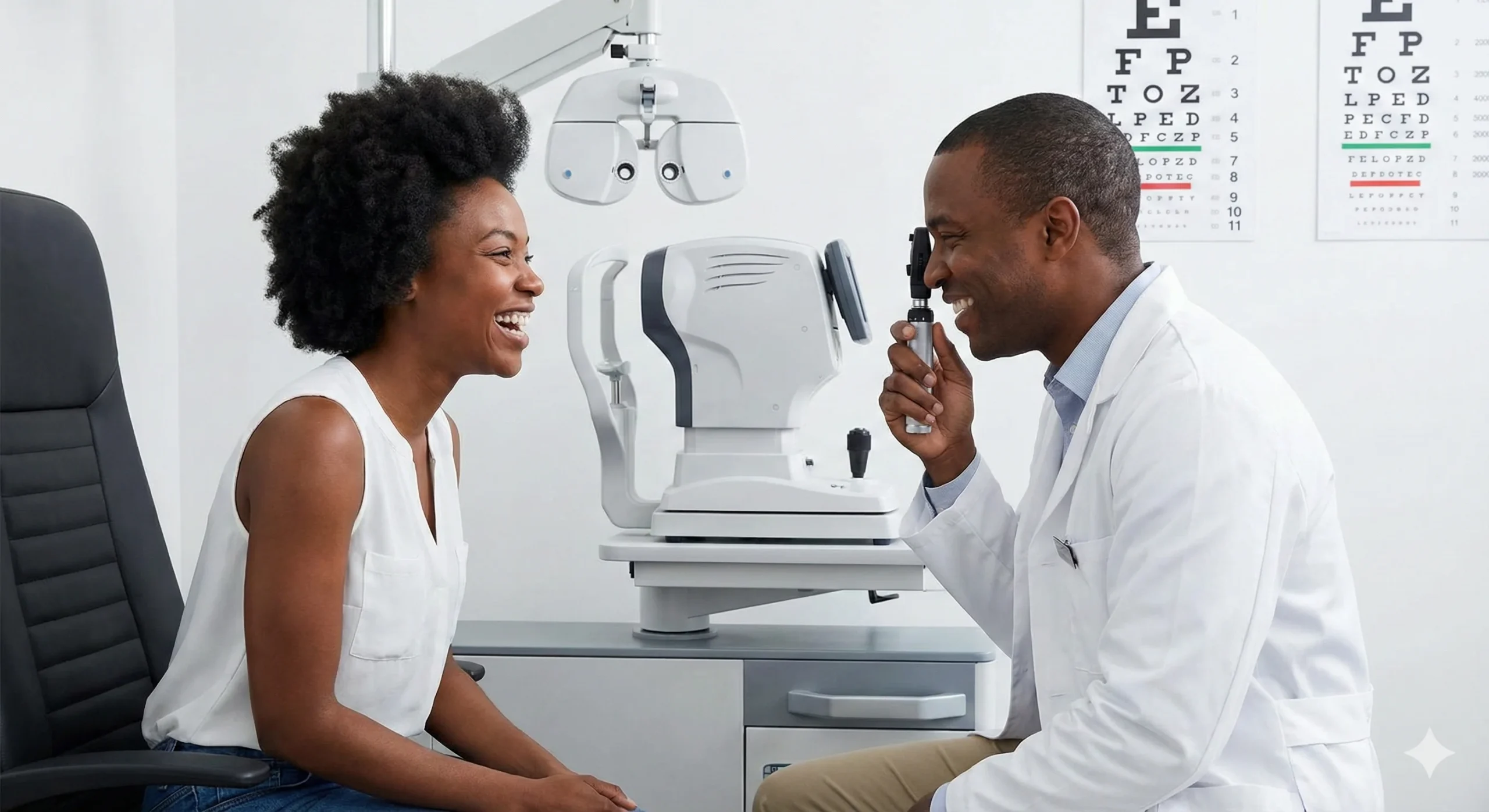
An optometrist is a licensed eye care professional trained to evaluate vision and overall eye health through comprehensive eye exams; their role includes diagnosing common visual conditions and identifying early signs of eye disease. Optometrists also guide patients on corrective options, preventive care, and follow-up, making them a key part of long-term eye health management.
While many people associate optometrists only with glasses or contact lenses, their clinical responsibilities extend well beyond prescriptions; early detection and monitoring are central to their work.
Optometrist, Eye Doctor, and Eye Center:
Understanding the Difference
The term eye doctor is often used broadly, which can create confusion; in practice, it may refer to different types of professionals. An optometrist is a licensed provider who performs eye exams and manages most vision-related conditions, while an eye center is a facility where exams and services are offered.
What ultimately matters is not the name of the location, but the credentials and experience of the professional performing the exam; the quality of care depends on the optometrist, not the label.
Credentials That Actually Matter When Choosing a Miami Optometrist
Licensing is the most critical credential; a qualified optometrist must be licensed in the state of Florida and meet ongoing education requirements. Academic training from an accredited institution and participation in continuing education ensure that clinical knowledge stays current.
Experience with local patients is also important; Miami presents unique eye health challenges related to sun exposure, digital habits, and environmental factors. An optometrist familiar with these conditions is better equipped to provide accurate evaluations and relevant guidance.
Services a Reliable Optometrist Should Provide
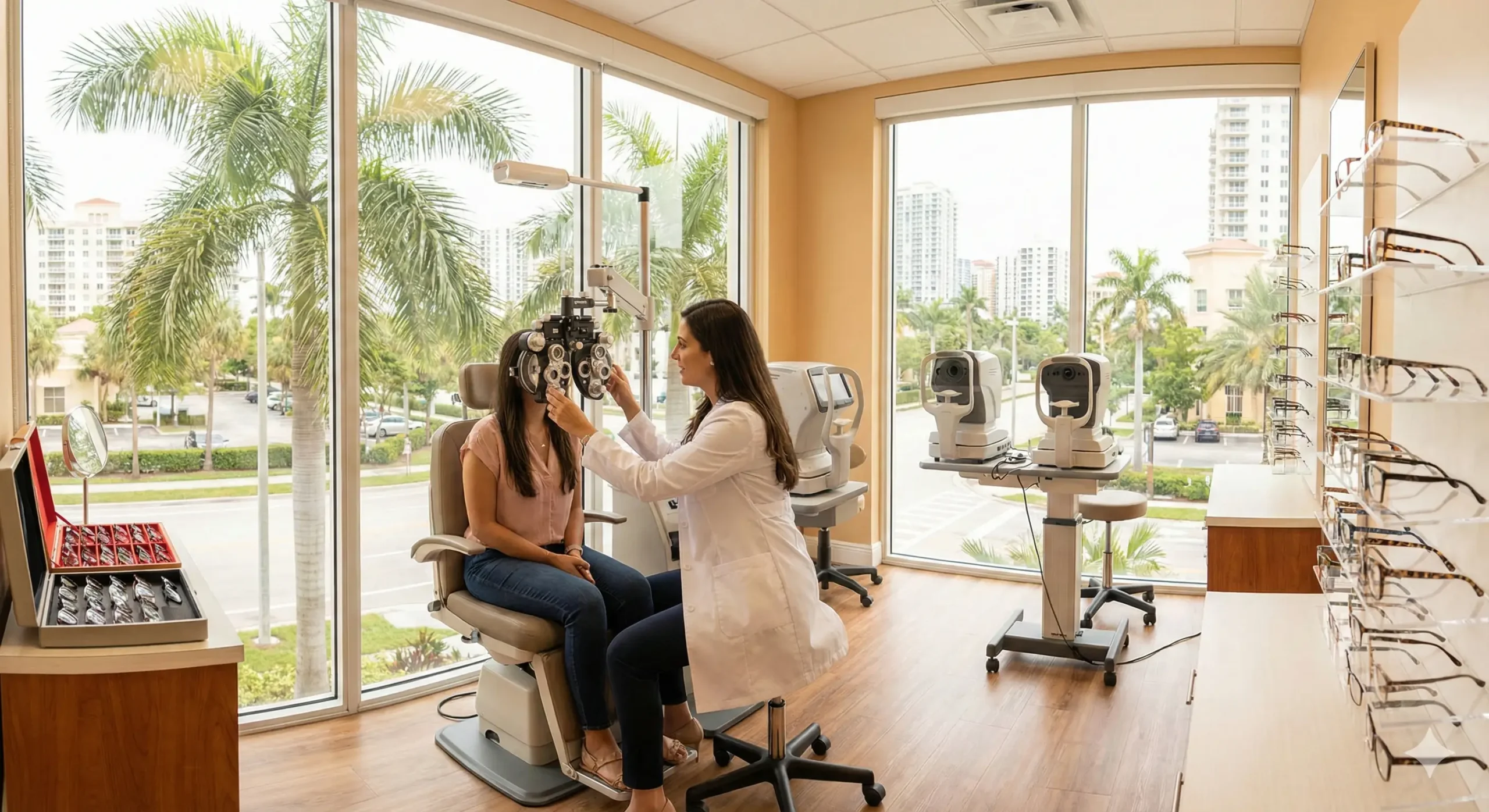
A trustworthy optometrist offers comprehensive eye exams that assess both vision clarity and eye health; these exams are designed to detect issues early, even before symptoms appear. Preventive eye care plays a central role, helping reduce the risk of long-term complications.
Contact lens evaluations, when applicable, should be personalized and based on eye health rather than convenience; clear communication is equally important. A reliable optometrist explains findings, answers questions, and ensures patients understand their options before making decisions.
Red Flags to Watch For When Evaluating an Optometrist
Certain signs may indicate that an optometrist is not the right fit; extremely rushed exams often limit proper evaluation and discussion. A lack of clear explanations or an excessive focus on selling products rather than discussing eye health should also raise concern.
Difficulty answering basic questions or the absence of follow-up recommendations can signal gaps in care; eye health decisions should be supported by transparency and clinical reasoning.
How Often Should You See an Optometrist?
For most adults, visiting an optometrist once a year supports preventive care and early detection; consistency is more effective than waiting for symptoms to appear. Individuals who wear contact lenses, experience recurring discomfort, or manage chronic conditions may need more frequent evaluations.
Regular visits help establish a baseline for eye health, making changes easier to identify and address over time.
Why Choosing the Right Optometrist Matters in Miami
Miami’s climate, high UV exposure, and screen-heavy routines place additional strain on the eyes; these factors increase the importance of accurate assessments and preventive strategies. An optometrist who understands local conditions can tailor recommendations more effectively, improving both comfort and long-term outcomes.
Choosing the right provider is not only about convenience; it directly affects the quality of care your eyes receive.
Frequently Asked Questions About Miami Optometrists
Is an optometrist a real doctor?
Yes. Optometrists are licensed healthcare professionals trained specifically in eye care and vision health.
Can an optometrist detect eye diseases?
Yes. Comprehensive eye exams allow optometrists to identify early signs of many eye conditions and recommend appropriate next steps.
Do I need a referral to see an optometrist in Miami?
In most cases, no referral is required to schedule an eye exam with an optometrist.
How can I verify an optometrist’s license in Florida?
Licensing information can be confirmed through the Florida Department of Health’s professional license database.
Choosing an Optometrist Is About Care, Not Just Availability
Selecting among Miami optometrists should be based on credentials, clinical approach, and quality of service rather than proximity alone. Prioritizing professional expertise and clear communication helps ensure that eye care decisions support both immediate needs and long-term vision health.