
Many patients naturally wonder what the optometrist is checking for during those few seconds. The answer comes down to evaluating your pupillary light reflex. Understanding how this involuntary reflex works explains why your eyes automatically react in the bright Miami sun—and reveals why a simple penlight can catch silent eye diseases and brain health issues long before other symptoms ever appear.
What is Pupillary Light Reflex?
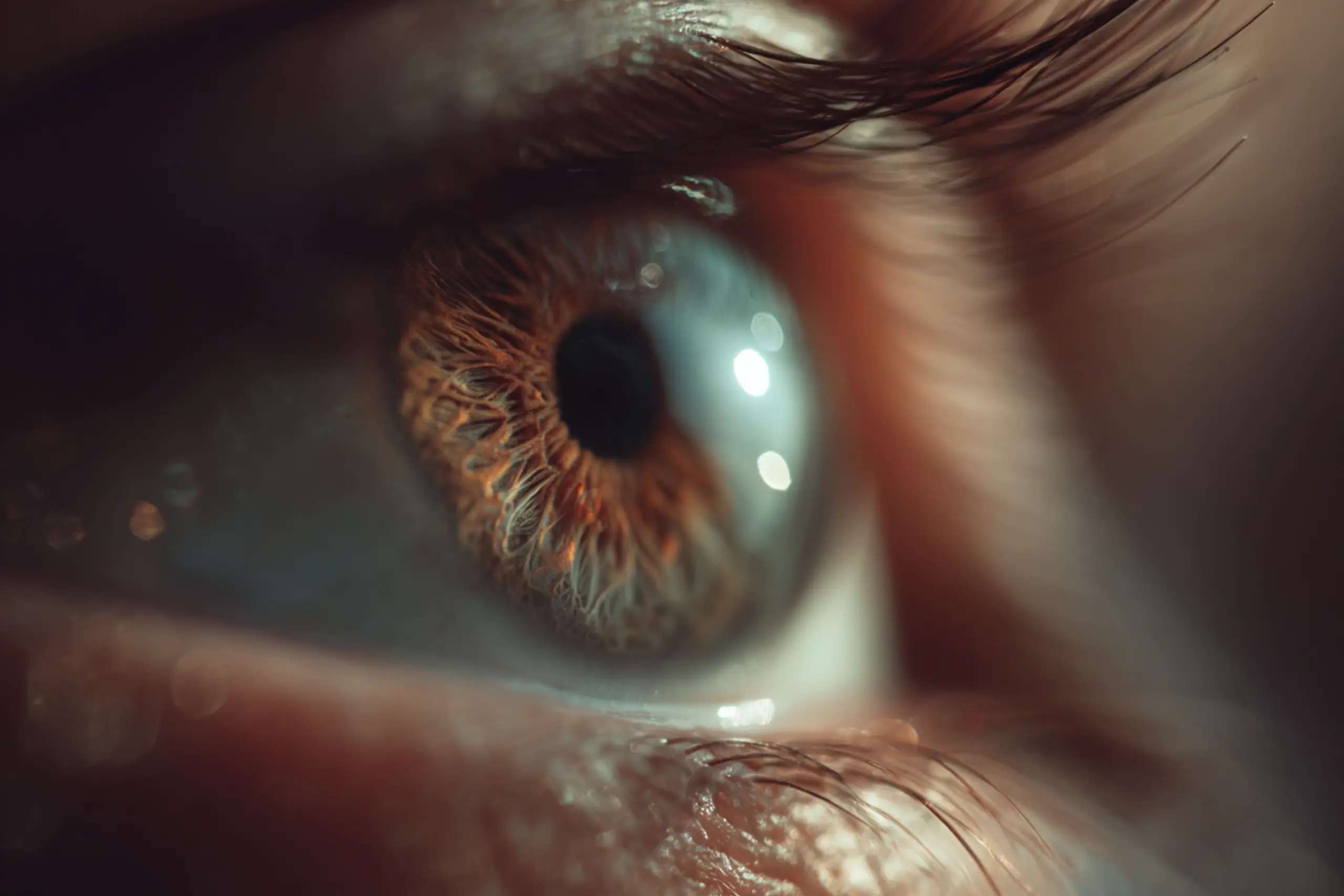
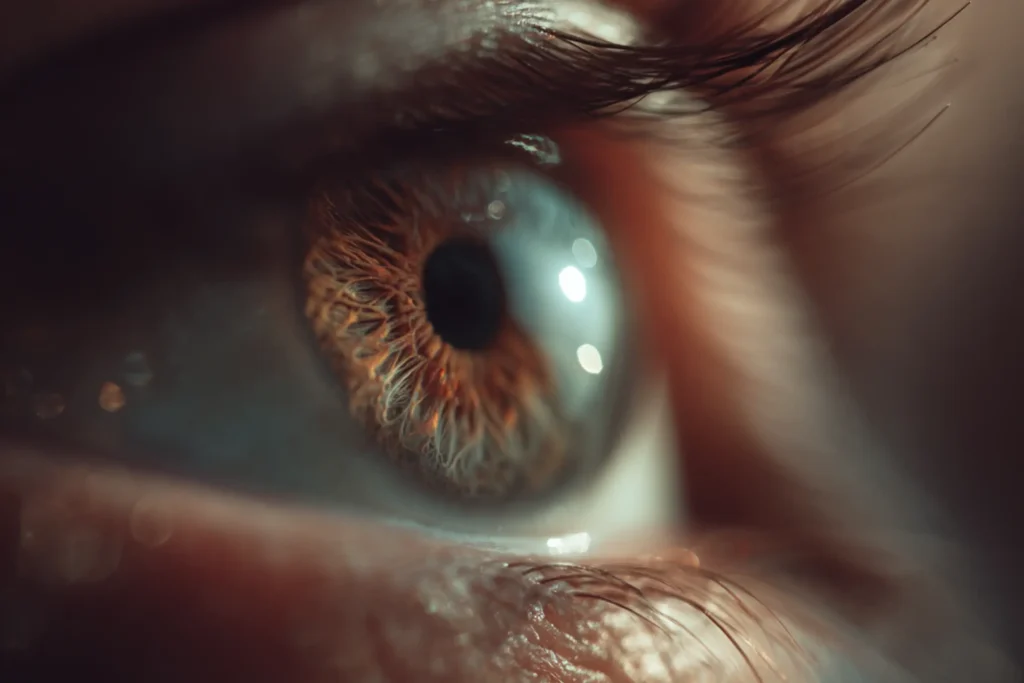
To understand what is pupillary light reflex, you have to look at how closely your eyes and your brain work together. The pupillary light reflex is an automatic, involuntary muscular action that causes your pupil (the dark center of your eye) to shrink or constrict in response to bright light.
When light hits your eye, a complex neurological loop kicks into action:
- Light Signals Sent: Specialized sensory cells in your retina detect the light and send electrical impulses along the optic nerve (cranial nerve II) straight to your brainstem.
- Brain Signals Returned: Your brain instantly processes the sudden jump in brightness and sends a command back along the oculomotor nerve (cranial nerve III).
- Pupil Constricts: This signal instructs the tiny sphincter muscles in your iris to contract, shrinking the pupil.
This rapid reaction controls the precise amount of light entering your eye; protecting your delicate retina from glare and light damage while helping your vision stay sharp and focused.
The Diagnostic Pupillary Light Reflex: How It Works
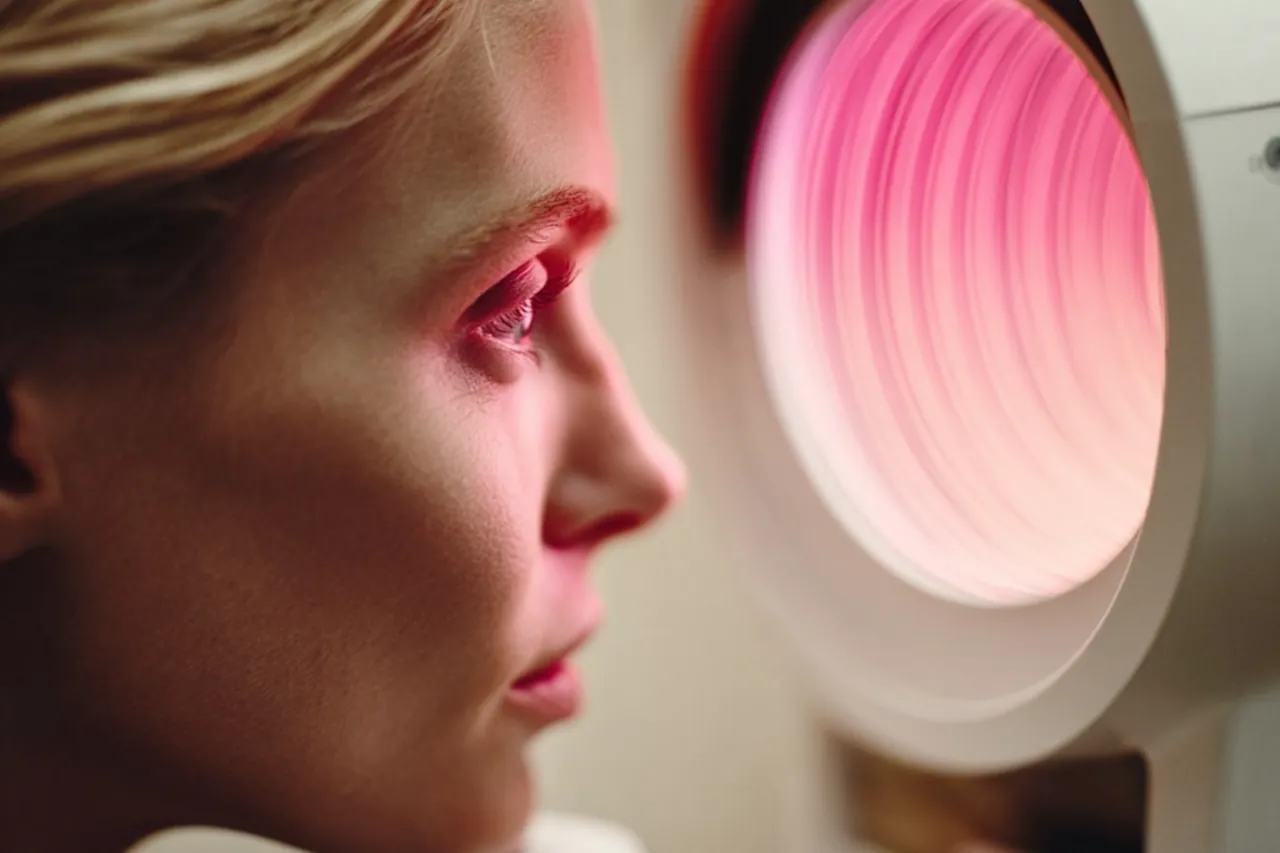
During a clinical vision check, an optometrist performs a diagnostic pupillary light reflex test using a transilluminator to evaluate the health of your cranial nerves and visual pathways. In a healthy adult, pupils should react briskly and equally.
Your doctor assesses two specific, simultaneous reactions:
- Direct Response: When light shines directly into your right eye, the pupil of that same right eye should immediately constrict.
- Consensual Response: Because optic nerve signals cross pathways inside the brain, shining a light in your right eye should automatically cause your left pupil to shrink at the exact same moment—even though no direct light is hitting it.
What an Abnormal Pupillary Light Reflex Can Reveal
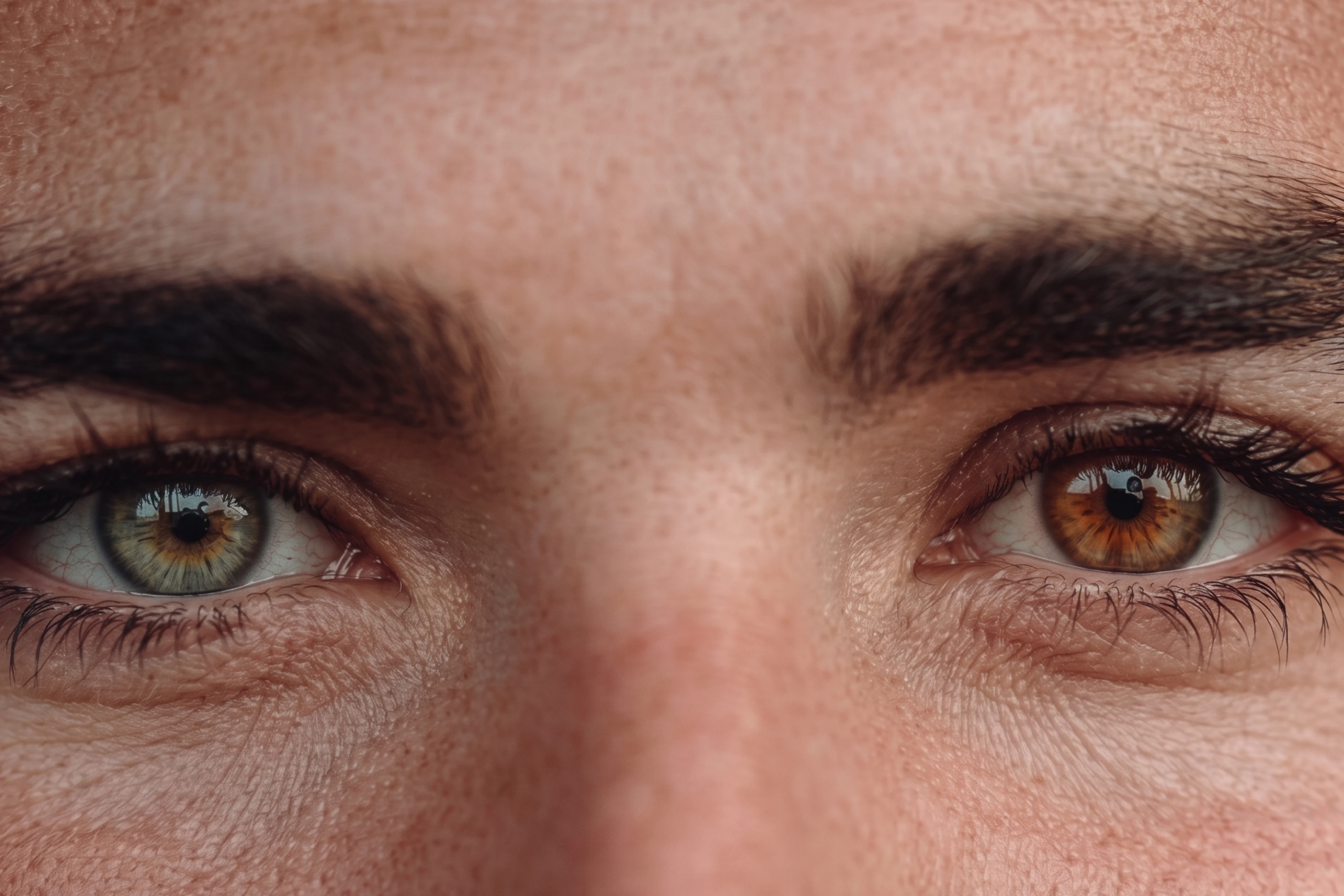
If your pupils are slow to react, stay fixed, or appear unequal in size (a condition called anisocoria), it signals a disruption somewhere along the nerve pathway. A diagnostic pupillary light reflex test helps spot serious underlying issues that go far beyond needing a simple pair of prescription glasses.
An abnormal pupil response can serve as an early warning sign for:
- Optic Nerve Damage: Conditions like advanced glaucoma, optic neuritis, or ocular hypertension degrade the nerve fibers that carry light messages to the brain.
- Retinal Complications: If part of the retina is damaged or detached, it cannot process incoming light properly. This creates a sluggish reaction known clinically as a Relative Afferent Pupillary Defect (RAPD).
- Neurological Health Issues: Because these nerve signals pass through the brainstem, unresponsive pupils can point to elevated pressure inside the brain, recent head trauma, or vascular changes.
- Medication Effects: Certain systemic medications (including specific antidepressants, decongestants, or migraine treatments) can temporarily alter pupil size and reaction speed.
Why This Test Matters in South Florida
Living in South Florida means navigating intense UV exposure, reflective water glare, and bright sunshine year-round. If your pupillary light reflex is sluggish or impaired, your pupils cannot constrict quickly enough when you step outdoors.
This delay often triggers severe photophobia (extreme light sensitivity), blinding glare while driving, and chronic eye strain or headaches by the end of the day.
During a comprehensive evaluation, your local optometrist can determine whether your light sensitivity is simply a matter of needing high-performance polarized sunglasses or if an underlying neural or corneal issue requires targeted care.
Frequently Asked Questions
Is it normal for pupils to react slower as we age?
Yes. Just like other muscles in the body lose elasticity over time, the tiny muscles within the iris gradually stiffen with age. It is normal for average pupil size to decrease slightly and for light reaction times to slow by tiny fractions of a second, though the response should always remain equal in both eyes.
Can wearing contact lenses affect my pupillary light reflex?
No. Standard soft contact lenses, rigid gas permeable lenses, and scleral lenses rest over the cornea and do not interfere with iris muscle movement or pupil reflexes. If you wear contacts and notice your pupils are reacting abnormally or look unequal, seek a medical eye exam right away.
What is the “swinging flashlight test”?
The swinging flashlight test is a clinical technique used by eye care providers to detect a Relative Afferent Pupillary Defect (RAPD). By swinging a penlight rhythmically back and forth between both eyes, the doctor can see if one pupil paradoxically dilates when illuminated—a hallmark indicator of optic nerve damage in that eye.
Experience the Elios Optical Difference
At Elio´s Optical, we go far beyond the basic vision chart. Our dedicated optometrists perform comprehensive evaluations to ensure both your eyes and your brain are functioning in perfect harmony.
Whether you need a baseline medical eye exam or want to explore our advanced optical solutions to combat South Florida’s intense sun, we are here to elevate your eye care experience. Schedule a comprehensive eye exam or visit Elio’s Optical in Miami, Doral, or Deerfield Beach.