
Waking up with a red, painful, or swollen eye is an alarming experience. While it is tempting to hope it will just clear up on its own, an untreated eye infection can rapidly go from a minor nuisance to a vision-threatening emergency. In Florida, the combination of year-round heat, swimming pools, high pollen counts, and heavy contact lens usage creates the perfect storm for eye infections.
Knowing how to differentiate between a harmless allergy and a destructive bacterial infection is crucial not only for your comfort but for protecting your long-term eyesight.
How to Tell if It’s an Eye Infection vs. Allergies
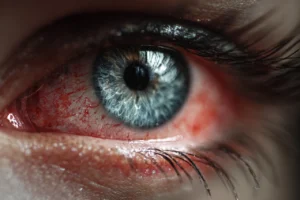
Patients often confuse severe seasonal allergies with a true eye infection. While both can cause redness and watering, an infectious organism (bacteria, virus, or fungus) usually presents distinct warning signs:
- Discharge: Instead of clear tears, a bacterial infection produces a thick, yellow, or greenish pus that often glues your eyelashes together while you sleep.
- Pain Level: Allergies typically cause intense itching. An infection, especially on the cornea (keratitis), causes a deep, sharp pain or a feeling like there is glass stuck in your eye.
- Visual Changes: While allergies might make your eyes watery, an infection can severely impact your clarity. If you experience sudden blurry vision, it is an immediate clinical red flag.
The Most Common Types of Eye Infections
Not all infections are created equal. Treatment depends entirely on the specific microorganism attacking the eye.
Conjunctivitis (Pink Eye)
This is the most highly contracted eye infection worldwide. According to clinical data, up to 80% of adult pink eye cases are viral*, meaning antibiotics will not cure them. Viral conjunctivitis is highly contagious, easily spreading through schools and offices. You can learn more about differentiating the types in our complete guide on what is pink eye and its symptoms.
Keratitis (Corneal Infection)
This is where eye infections become dangerous. Keratitis is an infection of the clear front dome of the eye. Clinical studies show that sleeping in contact lenses increases your risk of developing a severe corneal infection by 6 to 8 times**. If left untreated, bacteria like Pseudomonas or microscopic parasites from tap water can literally eat through the cornea in a matter of days, leading to permanent scarring.
Styes and Chalazions
These act like pimples on your eyelid, caused by a blocked and infected oil gland. While highly uncomfortable and aesthetically displeasing, they are generally localized and rarely affect the eyeball itself.
Why Professional Diagnosis is Non-Negotiable
Self-diagnosing an eye infection is incredibly risky. Using old, leftover antibiotic drops on a viral infection will do nothing, and using steroid drops on a fungal infection can actually make the fungi multiply significantly faster.
When you visit a clinical eye center for a blurry vision eye exam in Miami, the optometrist does more than just look at the redness. They use a slit lamp to microscopically evaluate your cornea for ulcers. They may also check neurological stability—such as your pupillary light reflex—to ensure the infection hasn’t caused deeper internal inflammation or nerve disruption.
Protect Your Eyes: Don’t Wait and See
An eye infection is not something to gamble with. Whether you suspect a simple case of pink eye or are experiencing the intense pain of a contact lens -induced ulcer, prompt medical attention is your best defense. Discard your current contact lenses, wash your hands diligently, and schedule an evaluation to get the exact clinical treatment your eyes need to heal properly.
Take Action for Your Sight
Your vision is too valuable to leave to chance. If you are experiencing persistent pain, unusual discharge, or vision changes, prompt professional care is the single best way to protect your long-term eye health. Schedule an evaluation with an eye care specialist today to get a precise diagnosis and a recovery plan tailored to your eyes.
FAQ
How to tell if it’s an eye infection?
The clearest indicators of an actual eye infection (rather than allergies or fatigue) are thick, colored discharge (yellow or green), sharp pain rather than just itching, severe sensitivity to light (photophobia), and having the eyelids crusted shut upon waking up.
Can an eye infection go away by itself?
It depends on the cause. A mild viral eye infection (like viral pink eye) will typically run its course and go away on its own within 7 to 14 days, similar to a common cold. However, bacterial or fungal infections will not resolve securely without prescription antibiotic or antifungal drops and can lead to permanent vision loss if ignored.
What is the best way to treat an eye infection?
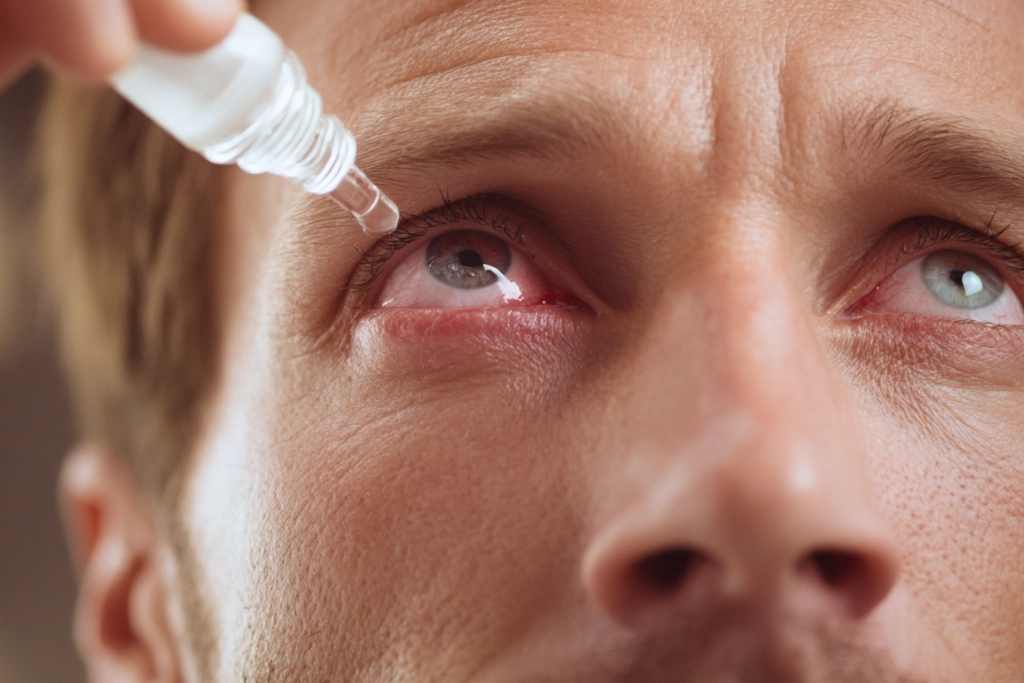
The absolute best way to treat an eye infection is to get an accurate diagnosis from an optometrist and follow their specific prescription. While waiting for your appointment, you can use a cool, damp compress to reduce swelling and over-the-counter artificial tears to flush out irritants. Never wear your contact lenses or eye makeup while infected.
How to get rid of conjunctivitis fast?
If your conjunctivitis is bacterial, prescription antibiotic eye drops will typically start clearing it up within 24 to 48 hours. If it is viral, there is no “fast cure” or magic pill; you must manage the symptoms with lubricating drops and cold compresses while the virus naturally leaves your system, taking strict hygiene measures to avoid spreading it.
Sources: