
La buena visión es más que solo ver con claridad: también se trata de proteger la salud general de sus ojos. Muchas afecciones oculares se desarrollan gradualmente sin síntomas notables. Por eso, los exámenes oculares regulares son esenciales. Pero, ¿con qué frecuencia debe hacerse un examen de la vista? La respuesta depende de varios factores clave.
No hay una respuesta única para todos
La frecuencia con la que debe programar un examen de la vista depende de su edad, historial médico, factores de riesgo y si ya usa gafas o lentes de contacto. Un niño, por ejemplo, requiere un enfoque diferente al de alguien mayor de 60 años con antecedentes familiares de glaucoma.
Recomendaciones generales por edad
Las principales asociaciones optométricas sugieren las siguientes pautas:
- Niños: Primer examen de la vista a los 6 meses de edad, nuevamente a los 3 años y justo antes de comenzar la escuela. Después, cada 1 o 2 años si no se encuentran problemas.
- Adultos de 20 a 39 años: Cada 5 años si no tiene problemas de visión ni factores de riesgo.
- Adultos de 40 a 64 años: Cada 2 o 3 años, ya que pueden desarrollarse afecciones relacionadas con la edad como la presbicia y el glaucoma temprano.
- 65 años o más: Cada 1 o 2 años, independientemente de si necesita corrección visual.
Tenga en cuenta: si tiene diabetes, presión arterial alta o usa lentes correctivos, su proveedor de cuidado ocular puede recomendarle chequeos más frecuentes.
Señales de advertencia que no debe ignorar
Incluso si su último examen de la vista fue reciente, ciertos síntomas justifican una revisión inmediata:
- Visión borrosa o doble
- Dolores de cabeza frecuentes
- Dolor o enrojecimiento ocular
- Dificultad para ver por la noche
- Cambios repentinos en la visión
Estos pueden ser signos tempranos de afecciones como cataratas, trastornos de la retina o fatiga visual debido al uso de dispositivos digitales.
Costo del examen de la vista: qué esperar
¿Se pregunta sobre el costo del examen de la vista? Los precios varían según la ubicación, el proveedor y si se trata de un examen básico o una prueba completa con dilatación de pupilas e imágenes diagnósticas.
En EE. UU., los exámenes suelen costar entre $70 y $150. En algunas cadenas ópticas, los exámenes de la vista pueden estar incluidos con la compra de gafas. En Elios Optical, nuestro objetivo es hacer que el cuidado ocular sea accesible ofreciendo exámenes asequibles sin comprometer la calidad, porque una visión clara nunca debe estar fuera de su alcance.
¿Qué sucede durante un examen de la vista?
Un examen de la vista va mucho más allá de leer letras en una tabla. Un examen completo puede incluir:
- Prueba de agudeza visual
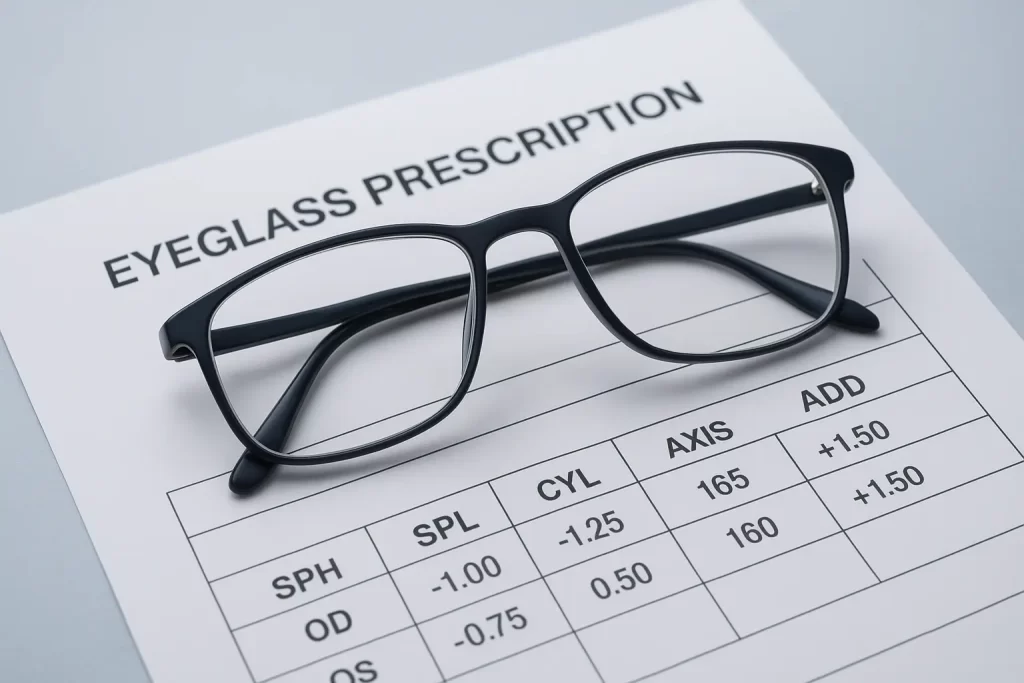
- Refracción (para determinar su graduación exacta)
- Medición de la presión intraocular
- Evaluación de la salud retiniana
- Evaluación de la visión binocular
El proceso es indoloro, rápido y vital para detectar problemas antes de que afecten su vida diaria.
Los estilos de vida digitales requieren exámenes más frecuentes
¿Pasa horas frente a pantallas? No está solo. El aumento del tiempo frente a la pantalla, ya sea por trabajo, estudio o entretenimiento, ejerce una presión adicional sobre sus ojos. Afecciones como la fatiga visual digital y el síndrome de ojo seco son cada vez más comunes.
Si trabaja en un entorno digital o experimenta fatiga frecuente, puede que sea el momento de buscar un examen de la vista cerca de mí antes de lo esperado.
Niños y exámenes de la vista: comience temprano, revise con frecuencia
La visión juega un papel crucial en el aprendizaje y el desarrollo. Los niños no siempre reconocen cuándo algo anda mal con su visión; se adaptan. Por eso, los exámenes de la vista proactivos son fundamentales. Los expertos recomiendan exámenes anuales durante los años escolares para apoyar la lectura, la atención y el rendimiento deportivo.
Si nota que su niño entrecierra los ojos, acerca demasiado los libros o se queda atrás en clase, no espere. Programe un examen de la vista pediátrico de inmediato.
Programando su próximo examen de la vista
Ya sea que haya pasado un año o cinco, si se pregunta con qué frecuencia debo hacerme un examen de la vista, probablemente sea momento de programar uno. Los beneficios de la detección temprana y el monitoreo constante no pueden subestimarse.
En Elios Optical, combinamos herramientas diagnósticas avanzadas con un ambiente acogedor para que el cuidado ocular sea simple, moderno y confiable. Programe su examen de la vista completo hoy y dé el primer paso hacia una mejor visión, para toda la vida.
¿Busca un examen de la vista cerca de mí? Visite nuestra página de ubicaciones para encontrar el centro Elios Optical más cercano a usted.