
If you spend a large part of your day in front of a screen, chances are you have heard about blue light glasses; they are often presented as a solution for eye strain, better sleep, and overall visual comfort. The idea is appealing, especially when discomfort starts to build throughout the day; however, the reality is more nuanced than a simple yes or no.
Blue light is part of the visible spectrum and is naturally present in sunlight, but it is also emitted by digital devices such as phones, laptops, and monitors. Because of its shorter wavelength and higher energy, it has been associated with potential effects on both vision and sleep; still, the way it impacts your eyes depends more on exposure habits than on the light itself.
What Science Suggests About Blue Light Glasses
Blue light glasses are designed to filter a portion of the blue wavelengths emitted by screens; in practice, this can reduce glare and slightly soften the visual intensity of digital environments. Some users report that screens feel more comfortable after long sessions, especially in low-light settings or at the end of the day.
At the same time, current research suggests that digital eye strain is rarely caused by blue light alone; instead, it is more closely related to how we interact with screens. Reduced blinking, prolonged focus, and lack of visual breaks tend to have a more direct impact on discomfort. For this reason, blue light glasses may help in certain contexts, but they are not a complete solution on their own.

Where Blue Light Glasses Can Make a Difference
There are situations where blue light filtering can contribute to a more comfortable experience; for example, people who work for extended periods in front of screens may notice reduced visual fatigue when glare is softened.
Evening use is another context where these lenses may be considered; exposure to bright screens late in the day can interfere with the body’s natural transition toward rest. Filtering part of that light may help create a more balanced visual environment, although results vary depending on individual habits.
Some users also report improved comfort when they are particularly sensitive to brightness or contrast; in these cases, blue light glasses function more as a visual comfort tool rather than a corrective solution.
What Blue Light Glasses Do Not Address
Blue light glasses may be considered in certain situations where screen exposure is consistent and prolonged.
Long Hours in Front of Screens
If your daily routine involves multiple hours of continuous screen use, reducing glare and visual fatigue can become important; in these cases, blue light filtering lenses may contribute to improved comfort.
Evening and Nighttime Use
Exposure to bright screens late in the day can interfere with natural sleep patterns; reducing blue light in the evening may support a more balanced transition into rest.
Sensitivity to Light or Glare
Some individuals are more sensitive to brightness and contrast; for them, blue light glasses may provide a more comfortable visual experience, especially in high-glare environments.
A More Complete Approach to Digital Eye Comfort
Rather than relying on a single solution, improving visual comfort usually involves a combination of habits and adjustments. Small changes in daily routines can have a noticeable impact; for example, taking regular breaks allows the eyes to relax and refocus, while consciously blinking more often helps maintain natural hydration.
Screen setup also plays a role. Positioning your monitor at eye level, adjusting brightness to match the environment, and reducing glare from surrounding light sources can significantly improve comfort over time; these adjustments often have a more consistent effect than any single product.
In cases where dryness is part of the issue, lubricating eye drops may help maintain moisture during extended screen use; choosing options compatible with your eyes and routine can support better day-to-day comfort.
Understanding the Different Types of Blue Light Lenses
Not all blue light glasses are designed in the same way. Some lenses include a subtle, nearly transparent filter that reduces a portion of blue light without significantly altering color perception; these are often used for everyday activities.
Others have a more noticeable yellow or amber tint; these tend to block a higher percentage of blue light and are sometimes used in the evening. While they may be effective in reducing certain wavelengths, they can also change how colors appear on screen.
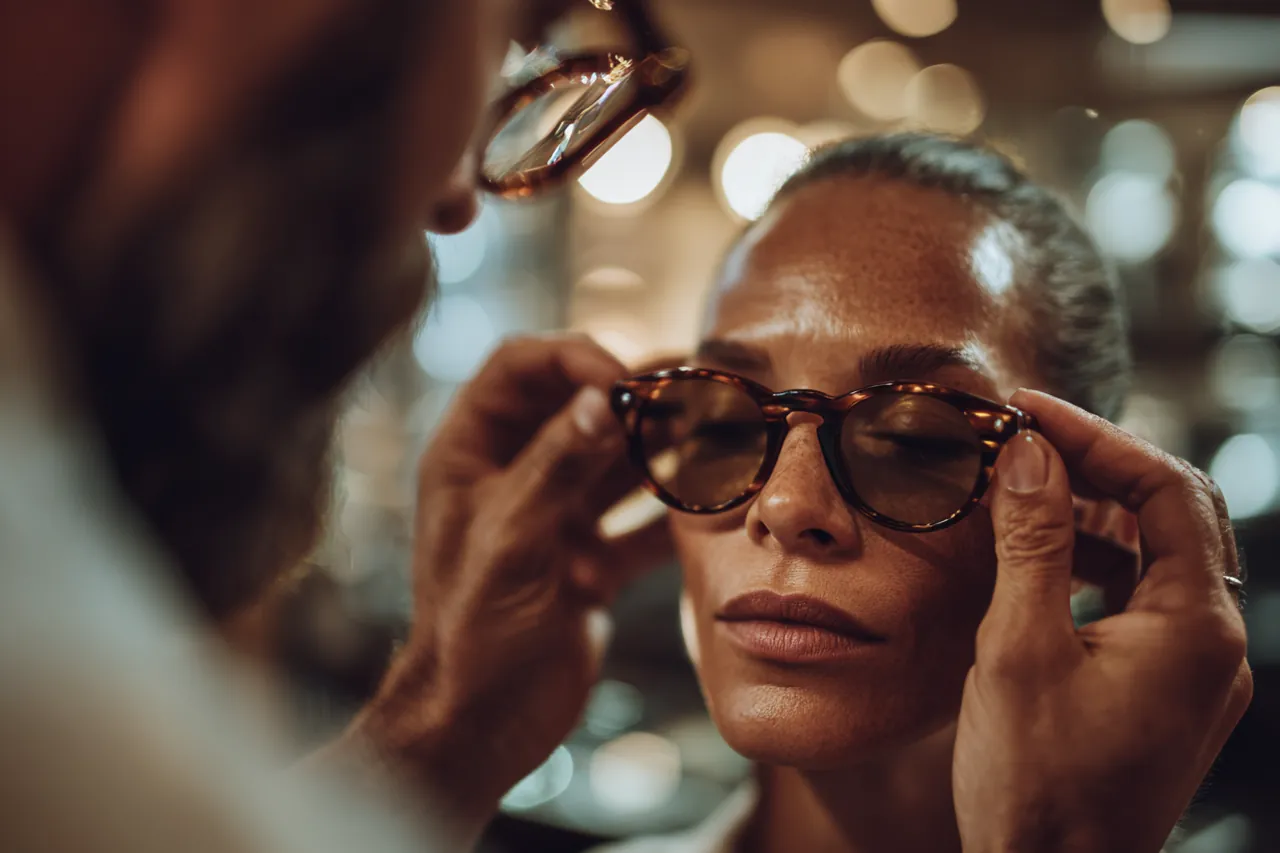
In many cases, blue light filtering is integrated into prescription lenses as a coating; this allows users to combine vision correction with light filtering, creating a more seamless experience.
How to Decide If You Need Blue Light Glasses
The decision to use blue light glasses depends largely on your daily habits. If your routine involves long hours in front of screens, frequent exposure to artificial lighting, or noticeable sensitivity to glare, they may contribute to improved comfort.
However, if your discomfort is persistent or accompanied by blurred vision or headaches, it may be worth looking beyond blue light; underlying vision issues or dry eye conditions can produce similar symptoms.
In these situations, understanding the root cause becomes more important than choosing a specific product.
When It Makes Sense to Get Your Eyes Checked
If screen-related discomfort continues despite adjusting habits and environment, an eye exam can help identify whether there is an underlying issue affecting your vision. Even small prescription changes can influence how your eyes respond to prolonged screen use.
You can explore what a comprehensive evaluation includes here
A proper assessment provides clarity on whether your symptoms are related to vision correction, eye surface health, or general visual fatigue.
Final Perspective: Where Blue Light Glasses Fit
Blue light glasses can be a useful addition in certain contexts, particularly when screen exposure is high; however, their role is best understood as part of a broader approach to eye comfort.
Combining better screen habits, proper lighting, and regular eye care tends to produce more consistent results over time; in that context, blue light filtering can complement—not replace—other strategies.
Understanding this balance helps set realistic expectations and supports more effective decisions for long-term visual comfort.