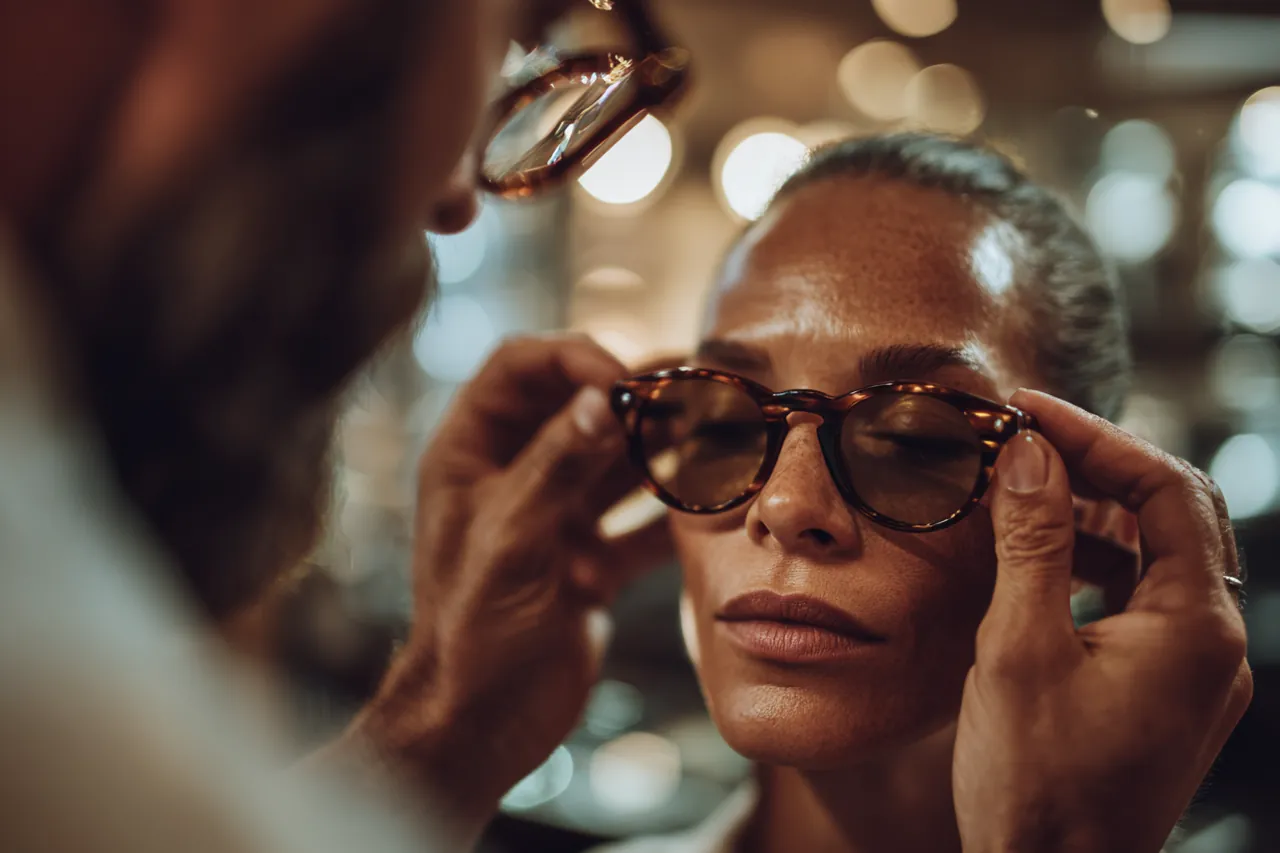

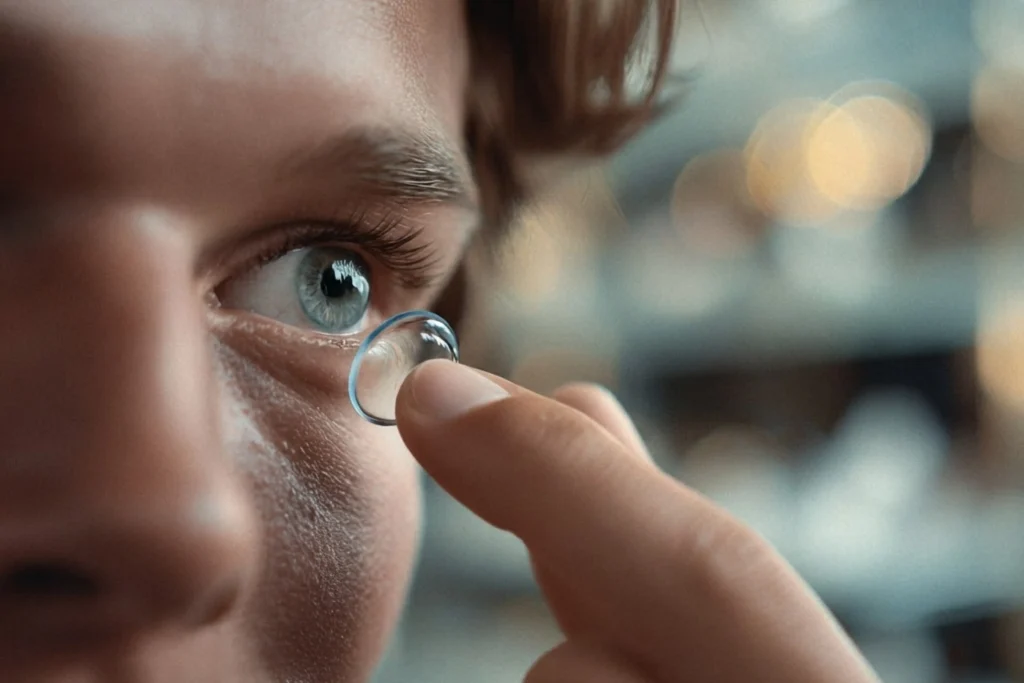
Thinking about ditching your glasses but worried about touching your eyes? You aren’t alone. Many people stick to heavy frames simply because of scary rumors they heard online or from a friend. The truth is, modern contact lens technology has advanced drastically, making them safer and more comfortable than ever before. Let’s separate internet fiction from medical fact as we break down the biggest contact lens myths keeping you from experiencing total, frame free freedom.
A Contact Lens Can Get Lost Behind Your Eye
This is easily the biggest fear of a patient during an eye exam, but it is anatomically impossible. Your eye is covered by a thin, protective membrane called the conjunctiva, which lines the inside of your eyelids and loops forward to connect to the white part of your eye. This structure creates a completely sealed barrier, meaning a contact lens can never slide into the back of your skull or get stuck behind your eye. At worst, a dislodged lens might slide under your upper eyelid, but it can always be easily safely retrieved.
Contact Lenses Are Uncomfortable and Hurt to Wear
Modern contact lenses are engineered from highly advanced silicone hydrogel materials that allow up to five times more oxygen to reach your eye compared to older lenses. Today’s premium daily disposables are so thin and naturally moist that most patients completely forget they are even wearing them within seconds of putting them in.
Medical experts back this up. According to an eye safety report by UF Health, contact lenses are exceptionally safe, comfortable, and convenient for everyday use when cared for properly. The specialists at UF Health point out that actual safety risks don’t come from the lenses themselves, but rather from poor hygiene habits—like wearing contacts in the shower, swimming in them, or overwearing daily lenses past their recommended hours. As long as you follow basic handling rules, your eyes remain perfectly safe.
I Am Too Old to Wear Contact Lenses
Many adults over the age of 40 assume that once they develop presbyopia, the normal gradual loss of the eye’s ability to focus on near objects, they are permanently stuck using reading glasses or progressive spectacles. This is no longer the case.
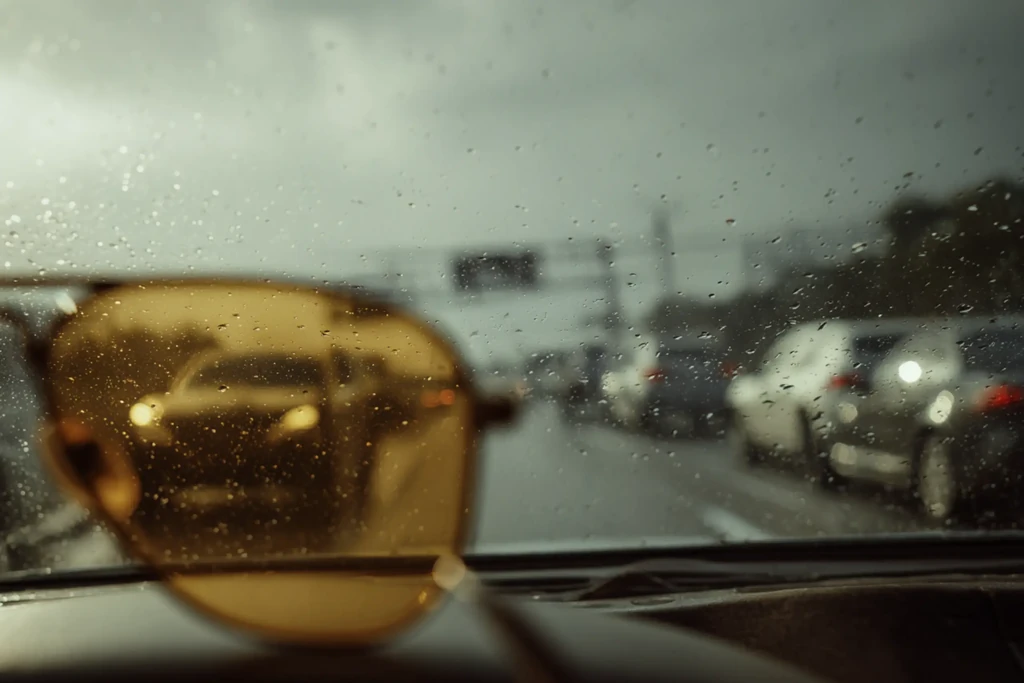
Modern multifocal contact lenses are designed with distinct visual zones that allow your brain to automatically shift focus, letting you read text messages, view your dashboard, and look down the fairway flawlessly without ever touching a pair of reading glasses.
Caring for contact lenses is Too Much Work
If you don’t want to hassle with nightly cleaning regimens, specialized storage cases, and bottles of multi-purpose solution, you don’t have to. Depending on your vision needs and financial preferences, your optometrist will help you choose between two highly manageable options:
- The Budget-Friendly Option (Monthly or Bi-Weekly Lenses): If you wear your lenses all day, every day, reusable lenses are by far the most cost-effective choice. Today’s care routines are simpler than ever. You just need a single bottle of modern “Multi-Purpose Solution”. Simply drop your lenses into a clean case with fresh solution before bed, and they disinfect themselves overnight.
- The Low-Maintenance Option (Daily Disposables): For those who switch between glasses and contacts, travel frequently, or struggle with manual agility, daily disposables offer maximum convenience. You open a sterile packet in the morning and toss them in the trash at night. While they eliminate the cost of buying solution, they do have a higher upfront cost per box and may not be available in highly specialized or complex prescriptions.
I Have Astigmatism (or Need Bifocals), So I Can’t Wear Contacts
Many people believe that if their prescription is a little complicated, they are permanently locked into wearing glasses. Contacts do not only work for simple near or far sightedness. If you’ve been told in the past that your eyes are “the wrong shape” for contacts, we have great news: lens technology has changed completely. Today, specialized design breakthroughs mean almost any prescription can be safely and comfortably corrected with a contact lens.
- Toric Lenses for Astigmatism: Modern weighted designs keep the lens from spinning on football-shaped eyes, ensuring stable, clear vision.
- Multifocal Lenses for Presbyopia: Just like progressive glasses, these blend multiple prescription strengths so you can read, work, and drive frame-free.
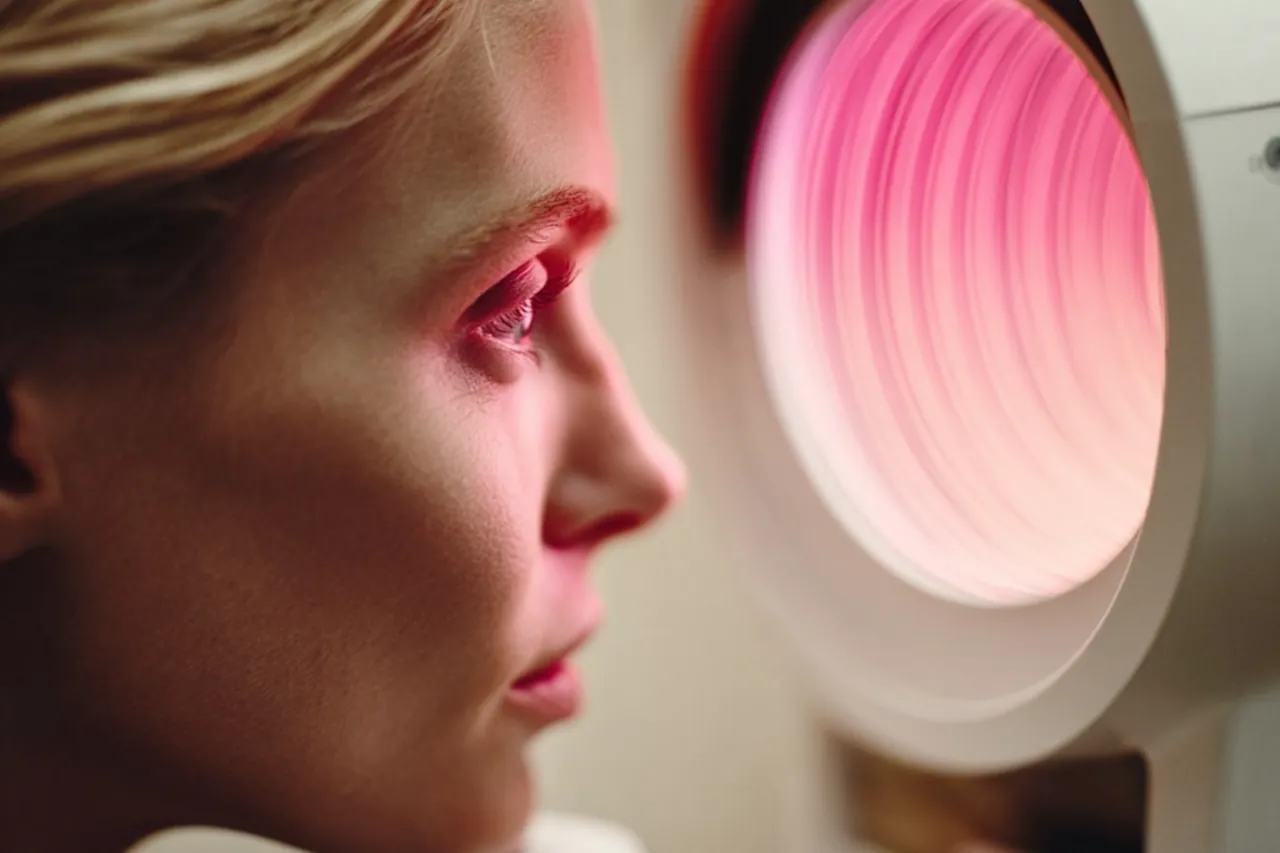
No matter how unique your eyes are, our optometrists use advanced corneal mapping technology during your fitting to find a lens that fits your exact shape and vision needs perfectly.
Ready for Clear, Frame-Free Vision? Visit Elios Optical in Doral
Ready to leave the glasses behind and see the world with total freedom? Our experienced local optometrists specialize in matching patients with the perfect contact lenses for their lifestyle, eye shape, and vision goals.
Whether you have a high astigmatism, struggle with dry eyes, or want to try multifocal technology, our Doral clinic is fully stocked with trial lenses from top global brands like Acuvue, Dailies, and Biofinity. Book now!
Our Miami Location Now Accepts VSP and EyeMed!
We are thrilled to announce that our Miami location now proudly accepts VSP and EyeMed insurance plans! Depending on your specific coverage, these benefits could be applied toward your comprehensive eye exam, your contact lens evaluation, or even the purchase of your new contact lenses. We want to help you make the most out of your vision plan.
Verify your benefits with our friendly team today and schedule your appointment to clear up your vision!
Frequently asked questions
How much does a contact lens exam cost at Elio’s Optical?
At Elio’s Optical, a standard Contact Lens Exam starts at $90, which covers your fitting, corneal measurements, trial lenses, and follow-ups. If you are a brand-new contact lens wearer, the initial evaluation is $130 to establish your baseline eye health and visual correction needs. These transparent rates build on our $53 comprehensive vision exam, giving you a clear look at costs upfront.
Can I use my standard glasses prescription to buy contact lenses?
No, you cannot use a glasses prescription for contacts. Glasses sit about 12 millimeters away from your face, while contact lenses rest directly on your cornea. Because of this distance difference, the prescription strength often differs. Furthermore, a contact lens prescription requires specific medical measurements that glasses do not, such as the base curve and diameter of your eye.
Do you accept out-of-network vision insurance for contact lenses?
Yes! While we keep our cash prices highly competitive, Elio’s Optical works seamlessly with most major vision insurance plans. Our team will happily provide you with the exact itemized breakdown and documentation you need to file your claim quickly and maximize your savings on both your exam and major lens brands.
How does expiration work for contact lenses?
There is always a date of expiration on the box. Even if the package has never been opened, it becomes dangerous over time for two simple reasons:
- The Seal Breaks Down: Over the years, the glue holding the foil lid to the plastic cup weakens. Tiny, invisible gaps form, allowing bacteria to crawl inside the liquid and contaminate the lens.
- The Lens Material Spoils: The soft, watery plastic of the lens naturally degrades over time. An expired lens can warp, dry out, or become brittle enough to scratch your eye.
The Golden Rule: Always check your boxes, and if a lens is past its date, throw it away!
Ready for Clear, Frame-Free Vision? Visit Elios Optical in Doral
Ready to leave the glasses behind and see the world with total freedom? Our experienced local optometrists specialize in matching patients with the perfect contact lenses for their lifestyle, eye shape, and vision goals.
Whether you have a high astigmatism, struggle with dry eyes, or want to try multifocal technology, our Doral clinic is fully stocked with trial lenses from top global brands like Acuvue, Dailies, and Biofinity. Book now!